Blog
Blog
-
How to Set Up Moodle for Your Organization: A Step-by-Step Guide for Non-Technical Admins
If your organization has to train people (staff, students, volunteers, customers) you’ve probably priced the commercial platforms and had a bad afternoon. TalentLMS, Docebo, LearnDash on managed WordPress: all of them charge per user, per month, forever. Two hundred people costs thousands a year before anyone has uploaded a single course. Moodle is the open-source
-
Power Automate for Small Business: 5 Workflows That Save 10+ Hours Per Week
Every small business I work with has the same five processes running on someone’s memory. A person remembers to send the follow-up. A person remembers to chase the invoice. That works fine right up until the person is on vacation, or slammed, or just having a bad Tuesday. Power Automate is included with most Microsoft
-
Salesforce vs. Microsoft Dynamics 365: Which CRM Is Right for Your Small Business in 2026?
If you’re a small business owner shopping for a CRM, you’ve landed on two names: Salesforce and Microsoft Dynamics 365. They dominate the market, they both promise to fix your pipeline, and they both cost enough that picking wrong is expensive to undo. I’ve implemented both for small and mid-size businesses. Two things to say
-
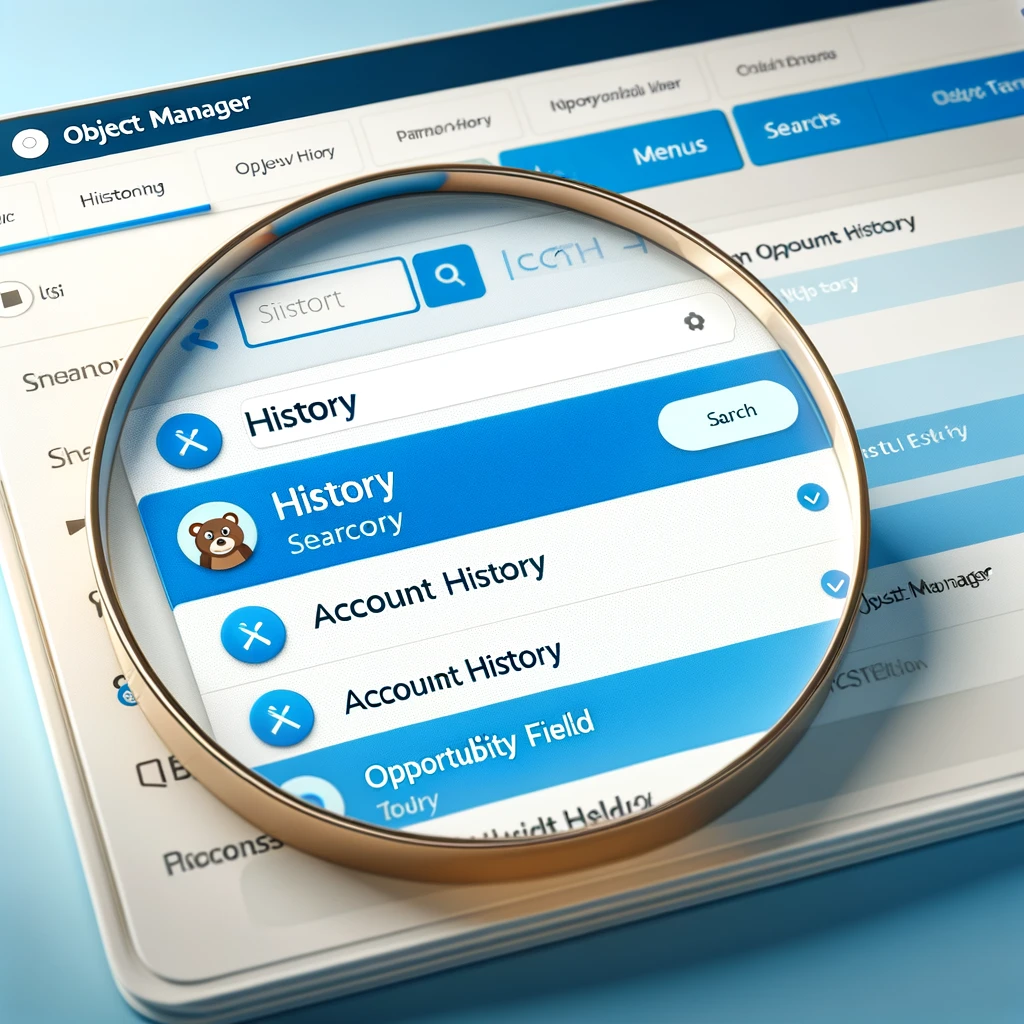
How to Find Objects with ‘History’ in Their Name in Salesforce
Salesforce History Objects are essential for tracking changes to your data, ensuring compliance, and troubleshooting issues. In this guide, we’ll show you how to find and use History Objects effectively, along with best practices and limitations. Whether you’re a beginner or an experienced admin, this post has everything you need to master history tracking in…
-
A Short Story of Apex Unit testing
Imagine you’re preparing a small party and you need to make sure everything is set before your guests arrive. In the Salesforce world, that’s like setting up a unit test for our BatchMaskAction class. We want to ensure our batch job tidies up our Actions__c records just as we planned. Here’s how we’ll do it:
-

5 Must Know Salesforce SOQL Queries for Everyday Use
Here are the 5 Most Used Salesforce SOQL Queries: Explanation of Each Query: These are just a few examples, and you can modify them based on your specific needs. Remember to replace placeholders like “Type=’Customer’” or “Stage=’Open’” with your desired criteria. Code snippet Use code with caution Code snippet Use code with caution Code snippet Use code with
-

Salesforce SOQL LIKE
In Salesforce SOQL (Salesforce Object Query Language), to combine a LIKE statement with an IN statement, you usually have to split them into separate parts of the query because IN is typically used for exact matches while LIKE is used for pattern matching. However, you can creatively use them together to achieve complex querying. Let’s